From the arrival of early missionaries to the growth of one of Northeast India’s most influential ecclesiastical provinces, the Archdiocese of Shillong continues its mission of faith, education, and pastoral service.
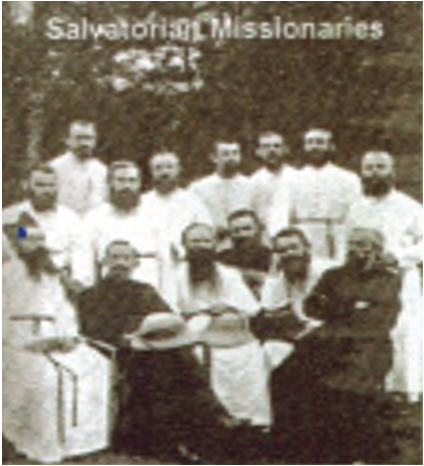
Missionaries journeyed through the Khasi Hills bringing faith, education, and pastoral ministry to the people of Northeast India.
Growth of the Church in Northeast India
Although Catholic presence in Northeast India dates back to the sixteenth century, the formal history of the Archdiocese of Shillong began in 1889 when the new Prefecture Apostolic of Assam was entrusted to the Society of the Divine Saviour, popularly known as the Salvatorians.
The first group of missionaries led by Fr. Otto Hopfenmueller SDS arrived in Shillong in February 1890. Recognizing the strategic and pastoral importance of the Khasi Hills, Shillong was chosen as the seat of the Prefecture Apostolic.
Fr. Christopher Becker SDS later became the first Prefect Apostolic in 1906, guiding the mission during its formative years.
Following the repatriation of the Salvatorians during World War I, the Jesuits of Calcutta temporarily administered the mission until the Salesians of Don Bosco assumed responsibility in January 1922 under the leadership of Rev. Fr. Louis Mathias SDB.
Due to the rapid growth of the Church, the Holy See elevated the Assam Prefecture to the status of a diocese on 9th July 1934, appointing Rev. Fr. Louis Mathias as its first bishop.
Bishop Stephen Ferrando SDB succeeded him in 1936 and led the Diocese through a significant period of growth, including the formation of the dioceses of Dibrugarh and Tezpur.
In 1969, Shillong was elevated to an Archdiocese with Dibrugarh, Tezpur, and Silchar (later Aizawl) as its suffragan dioceses.
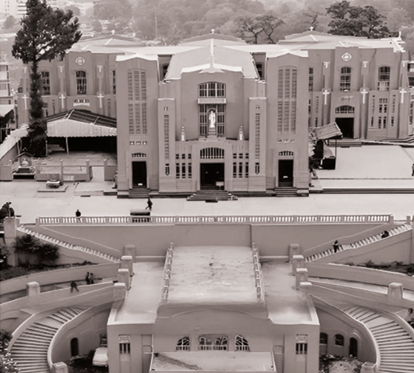
The Archdiocese continues to strengthen pastoral ministry, education, social outreach, and evangelization across the region.
Continuing pastoral growth and leadership transitions.
The Archdiocese underwent further divisions with the creation of the dioceses of Tura, Diphu, Guwahati, Nongstoin, and Jowai, reflecting the rapid expansion of Catholic communities throughout Northeast India.
Most Rev. Hubert D’Rosario SDB became the first Metropolitan Archbishop when the Archdiocese was known as Guwahati-Shillong, later renamed Shillong-Guwahati to reflect the growing Catholic presence in Shillong.
Archbishop Tarcisius Resto Phanrang succeeded Archbishop Hubert D’Rosario and guided the Archdiocese during a significant period of transition and pastoral expansion.
On 2nd April 2000, Archbishop Dominic Jala SDB took charge as Archbishop of Shillong and continued the mission of evangelization and social outreach until his tragic passing in 2019.
On 28th December 2020, Most Rev. Victor Lyngdoh was appointed Archbishop of Shillong and formally installed on 6th February 2021 at the Cathedral of Mary Help of Christians, Laitumkhrah.
In 2025, Rev. Fr. Bernard Laloo was appointed Auxiliary Bishop of Shillong, continuing the Archdiocese’s commitment to pastoral care and ecclesiastical leadership.
Key moments in the journey of the Archdiocese.
Assam Prefecture established and entrusted to the Salvatorians.
Prefecture elevated to Diocese of Shillong.
Shillong elevated to the status of an Archdiocese.
Archbishop Victor Lyngdoh installed as Archbishop of Shillong.